Many nonprofits start the same way: a small group of committed people see a community need and step up to meet it. In those early days, boards are often deeply hands-on—organizing programs, delivering services, and “doing whatever needs to be done.” This working or operational board model can be exactly what an organization needs to get off the ground.
As organizations grow, however, this same approach can begin to hold them back.
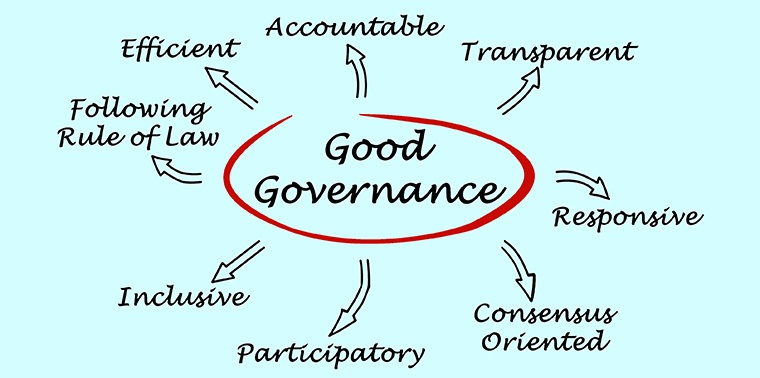
Shifting from an operational board to a governance-focused board is one of the most important—and challenging—transitions a nonprofit can make. Governance is about providing strategic direction, ensuring accountability, managing risk, and stewarding the organization’s resources responsibly and legally. It is less about doing the work and more about overseeing the work.
Governance vs. Operations: Why the Difference Matters
When boards stay overly involved in day-to-day operations, several issues often emerge:
- Meetings get stuck in the weeds and lose sight of the big picture
- Staff and volunteers become unclear about decision-making authority
- Strategic planning and long-term thinking fall to the side
- Board members experience burnout or frustration
Regardless of size or staffing structure, all boards must govern when acting as a board. This means focusing meetings on strategy, financial oversight, risk, policy, and long-term sustainability—not operational details.
Clear Lines of Communication Build Stronger Organizations
One of the cornerstones of effective governance is clear and respected lines of communication. In organizations with senior staff, the board typically works through the Board Chair and Executive Director. In organizations without senior staff, authority may flow through an executive committee or designated board roles.
Clarity does not mean exclusion. Boards still need ways to engage staff, volunteers, and community members meaningfully. Committees are often the bridge—allowing people to contribute hands-on work while keeping board meetings focused on governance. Committees can also be a powerful way to develop future board members and maintain strong connections across the organization.
Supporting Strong Board Performance
Research consistently shows that high-performing boards share two key characteristics: a clear understanding of their roles and the ability to work collaboratively toward shared goals. To support this, boards should invest in:
- Thorough onboarding for new board members
- A current and comprehensive board manual
- Ongoing board education and development
- Strong leadership from the Board Chair, including mentoring and effective facilitation
Importantly, the board is responsible for itself. This includes its own recruitment, succession planning, onboarding, and professional development. While staff may support this work, boards should not rely on management to run board business.
Managing the Transition
Moving from operations to governance doesn’t happen overnight. Successful transitions include:
- Honest conversations about readiness and buy-in
- Training on board roles and governance models
- Updates to bylaws, policies, agendas, and onboarding materials
- Transparency about challenges along the way
When done well, this shift frees boards to focus on leadership, strategy, and sustainability—while empowering staff and volunteers to do their best work.
In short, refocusing on governance isn’t about doing less. It’s about doing the right work, at the right level, to ensure your organization can thrive well into the future.
